Seen Ads in ChatGPT Yet? How OpenAI Advertises in Everyday Life in Germany
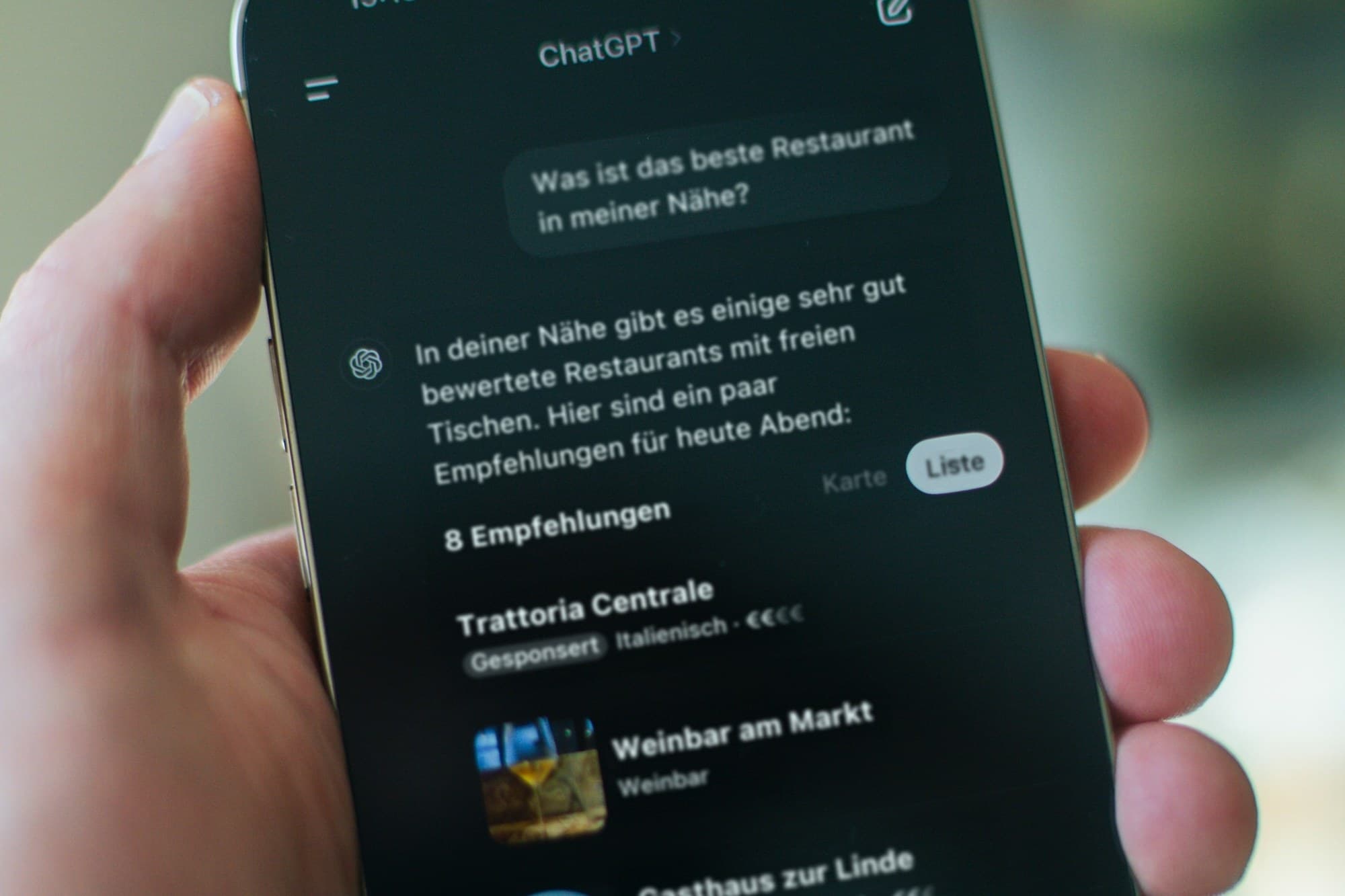
Since August 2026, ChatGPT has shown ads in Germany too. Our panel measurement finds few ads, many small advertisers and often well-matched targeting.
Insights and updates

Since August 2026, ChatGPT has shown ads in Germany too. Our panel measurement finds few ads, many small advertisers and often well-matched targeting.
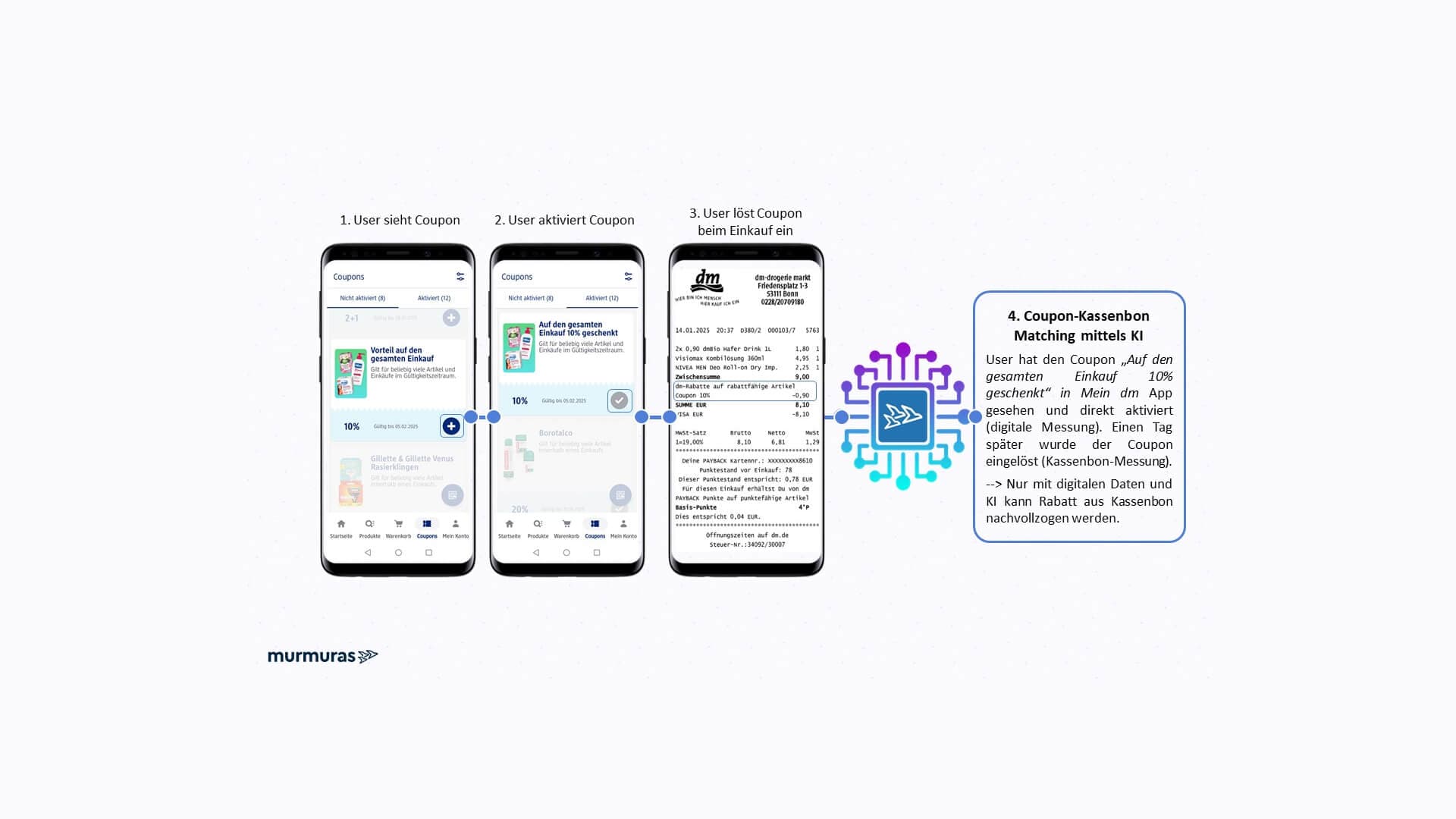
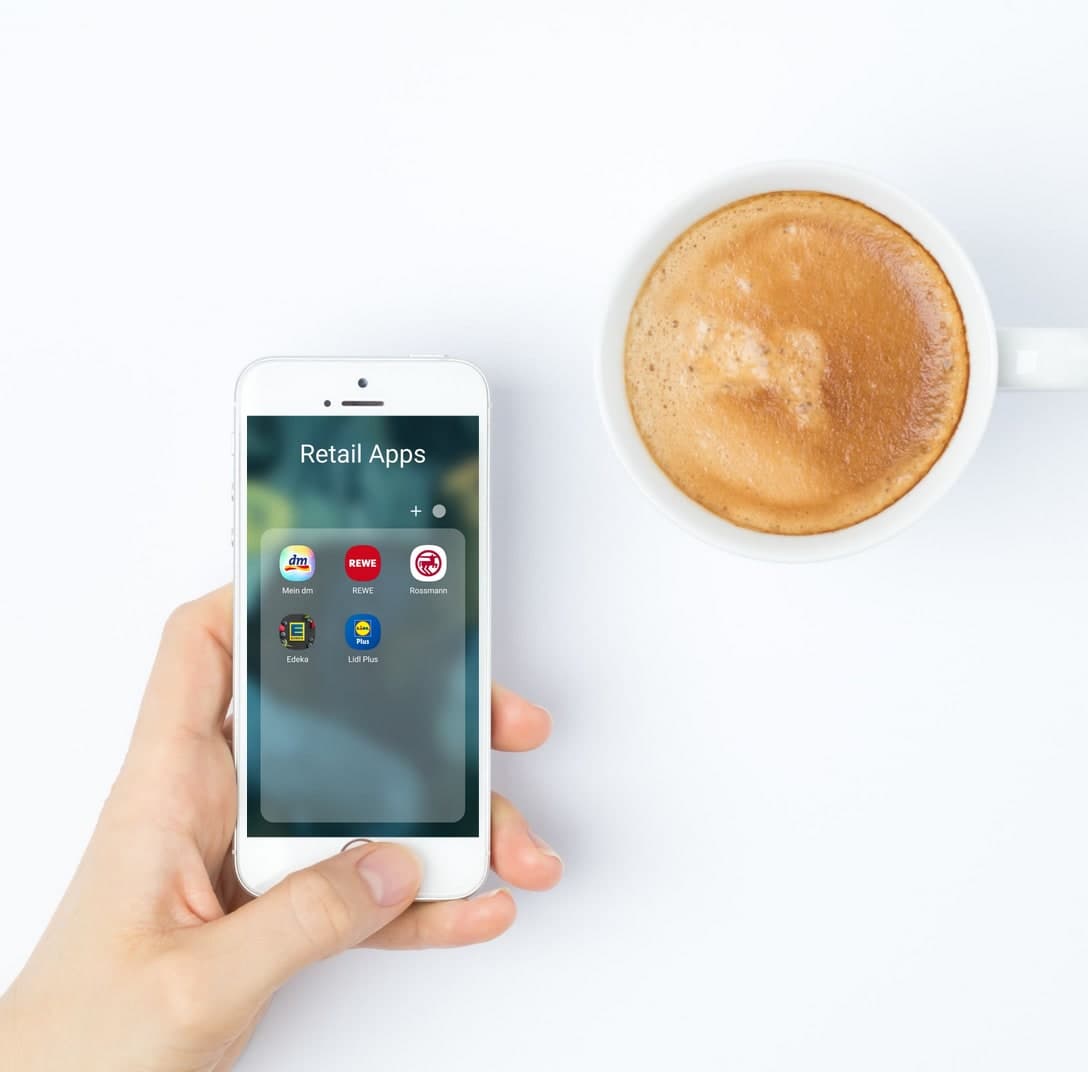
Promotions are moving into Lidl Plus, Mein dm and other retailer apps, out of sight of flyers and receipts. How we close this gap for FMCG teams.

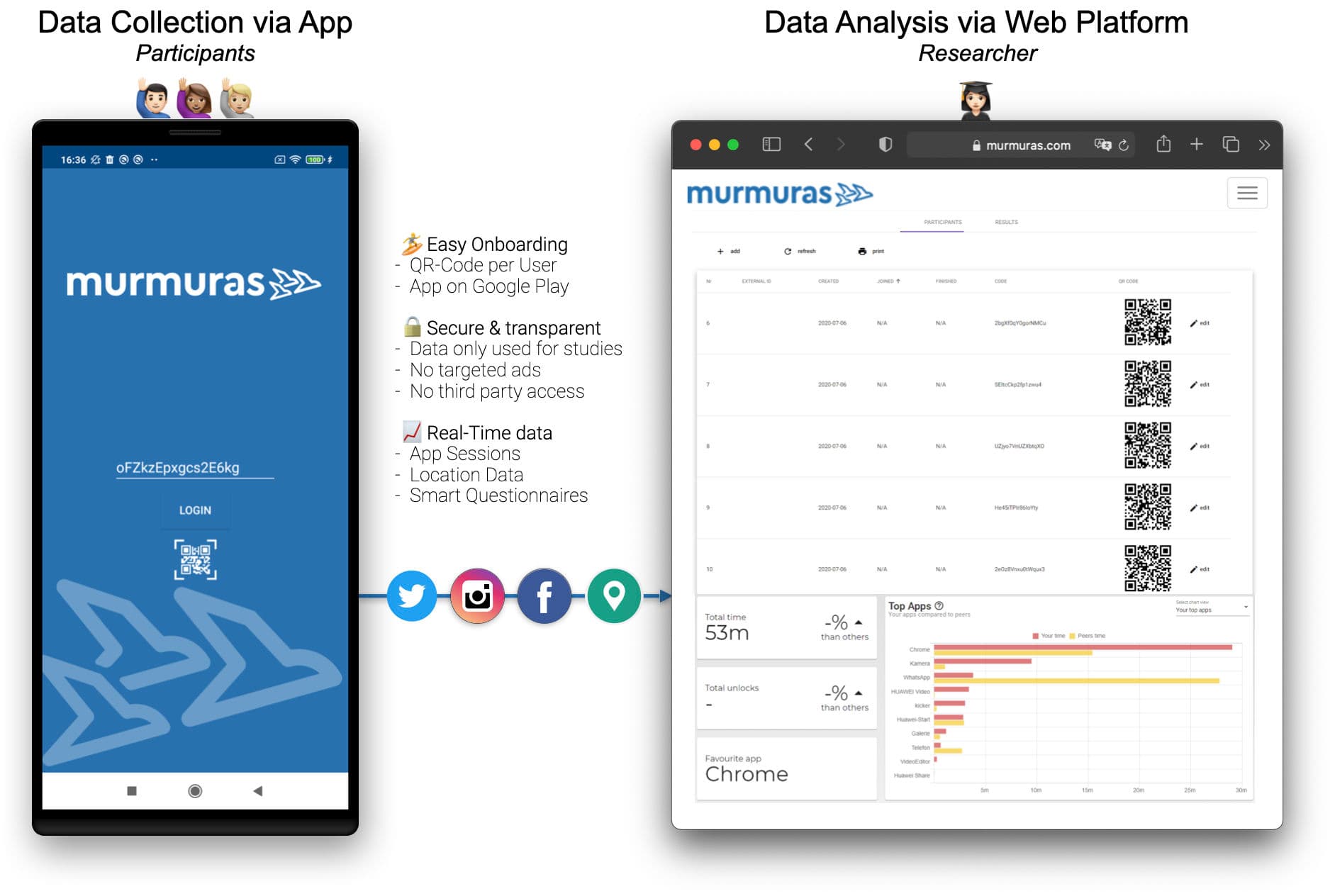
A privacy-compliant panel of 3,000 smartphone users links social ads, AI chats, web visits, coupons and receipts to measure the whole customer journey.

Analysis of 10,541 real AI chats: half mention at least one brand and in 19% the AI recommends products. How ChatGPT, Gemini and Google AI Mode differ.

Over 27,000 coupons in eight German retail and drugstore apps: half promote brands, yet private labels dominate the feed. Three levers for FMCG brands.

Since January 2026, Murmuras has measured how 3,000 users in Germany use ChatGPT, Gemini and Google AI answers: questions, responses and interaction.

How personalized are coupons in retail apps? Data from 3,000 users: grocery apps personalize more than drugstores, and receipts show what gets redeemed.

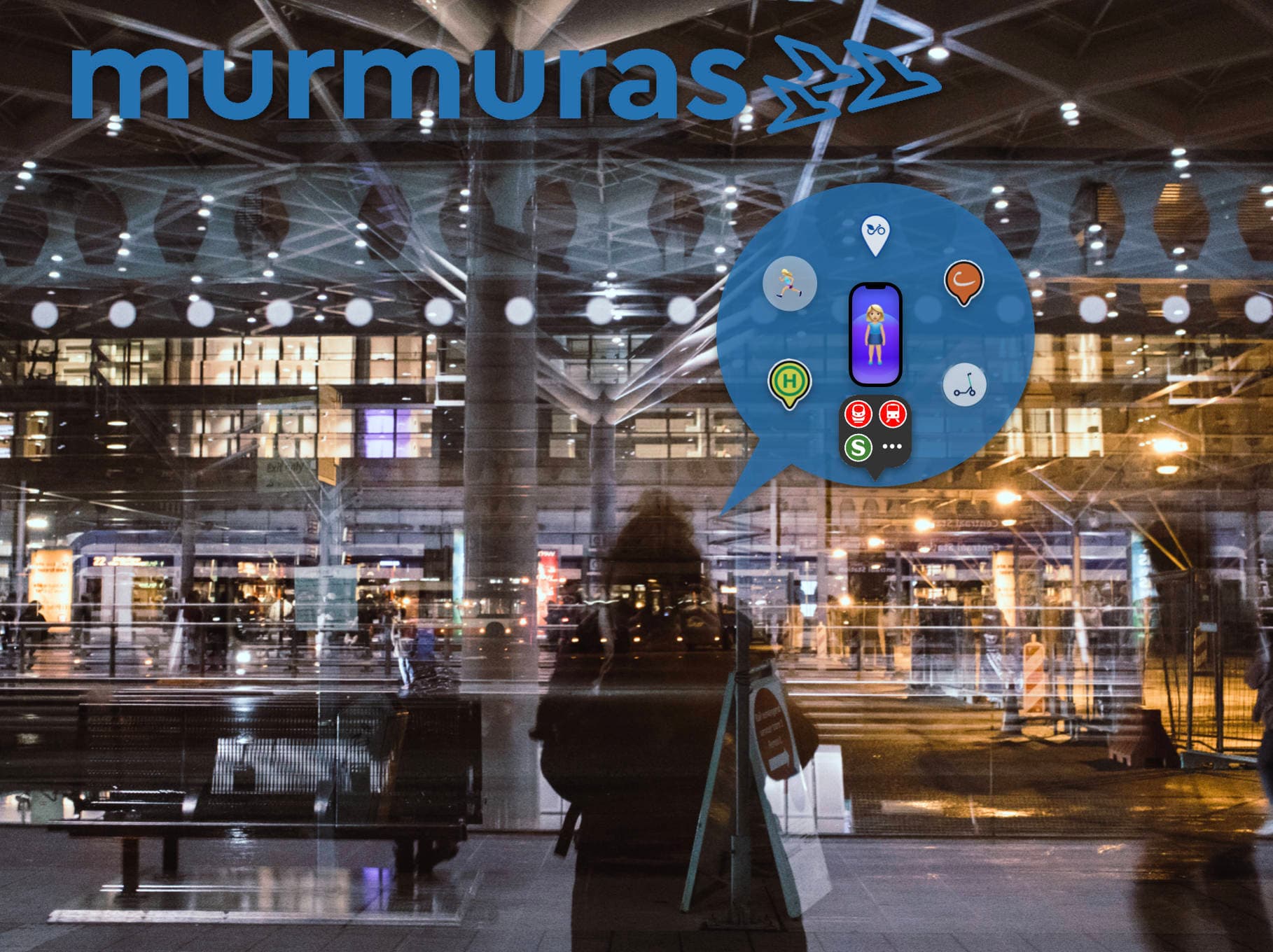
SMobI (2025–2028): Murmuras, the University of Siegen and IZT develop an AI app that spots mobility decisions and nudges users to buses, trains or bikes.

Murmuras’ new consumer panel of 3,000 participants shows which coupons in apps like Lidl Plus and Mein dm are seen, activated and redeemed in store.

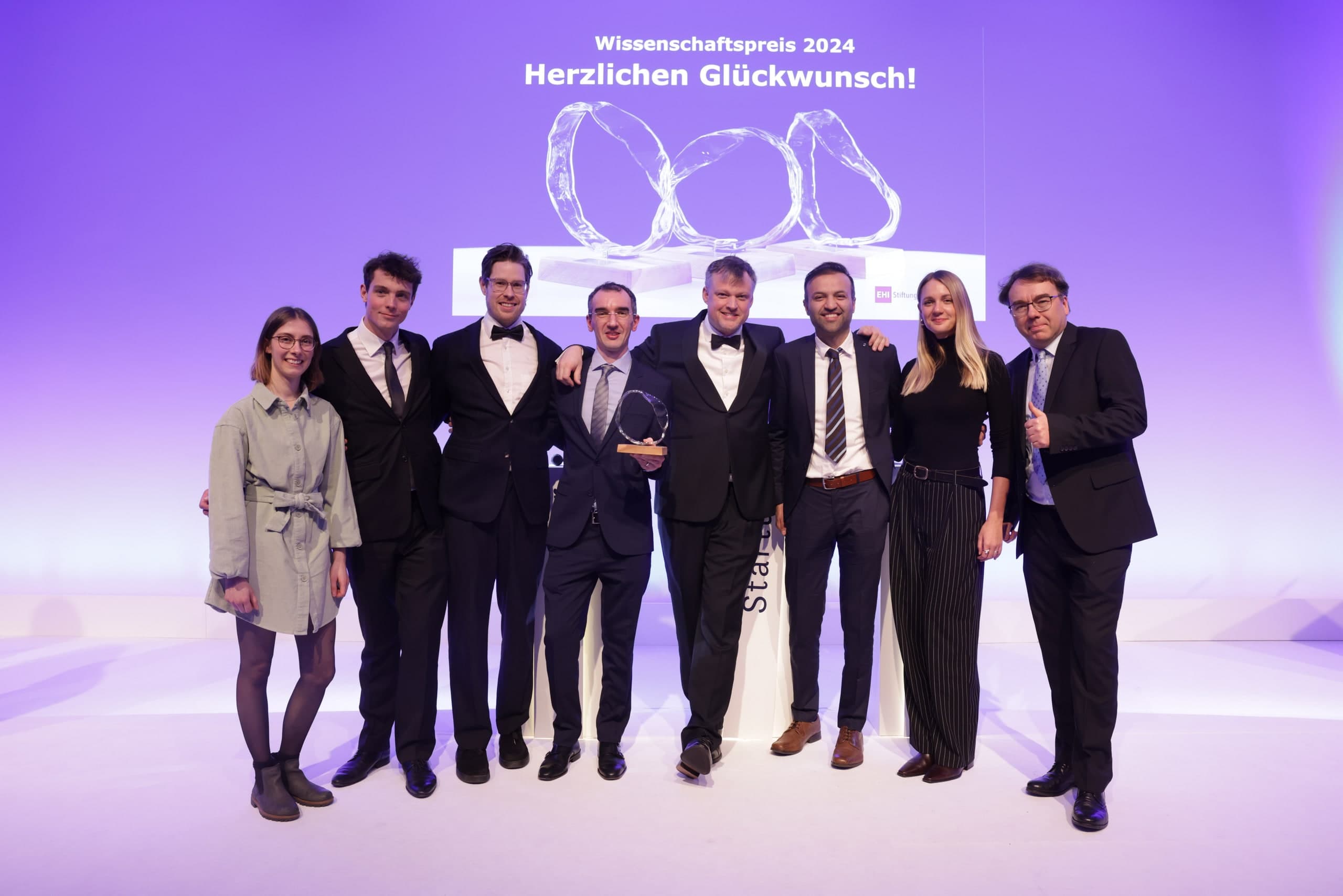
Murmuras won Best Startup at the 17th Science Award by EHI Foundation and GS1 Germany for its platform analyzing retail apps and app coupons.

Retail app coupons are still mostly generic. A Payback coupon for L'Oréal in Mein dm shows targeting that works: 63% of users who saw it activated it.

Retail app feature use: in Mein dm, 80% use coupons but only 16% the shopping cart; in Lidl Plus, over half activated the daily Christmas coupon.

Food retailer apps, Q4 2021 vs. Q4 2022: Lidl Plus is on every third phone, while REWE and EDEKA almost doubled their users. Data from 945 Android users.

Mobile ads before Christmas 2022 vs. 2021: slightly fewer ads on Facebook and Instagram, but top advertisers like Amazon, REWE and OTTO gained reach.

In DeFaktS (2022–2024), Murmuras and research partners build an app that detects disinformation in social media apps and helps users reflect on news.

Vacation plans 2022 in app data from 645 Germans: over 70% saw travel ads, Booking.com led in ads, web and apps, and searches peaked in April and May.

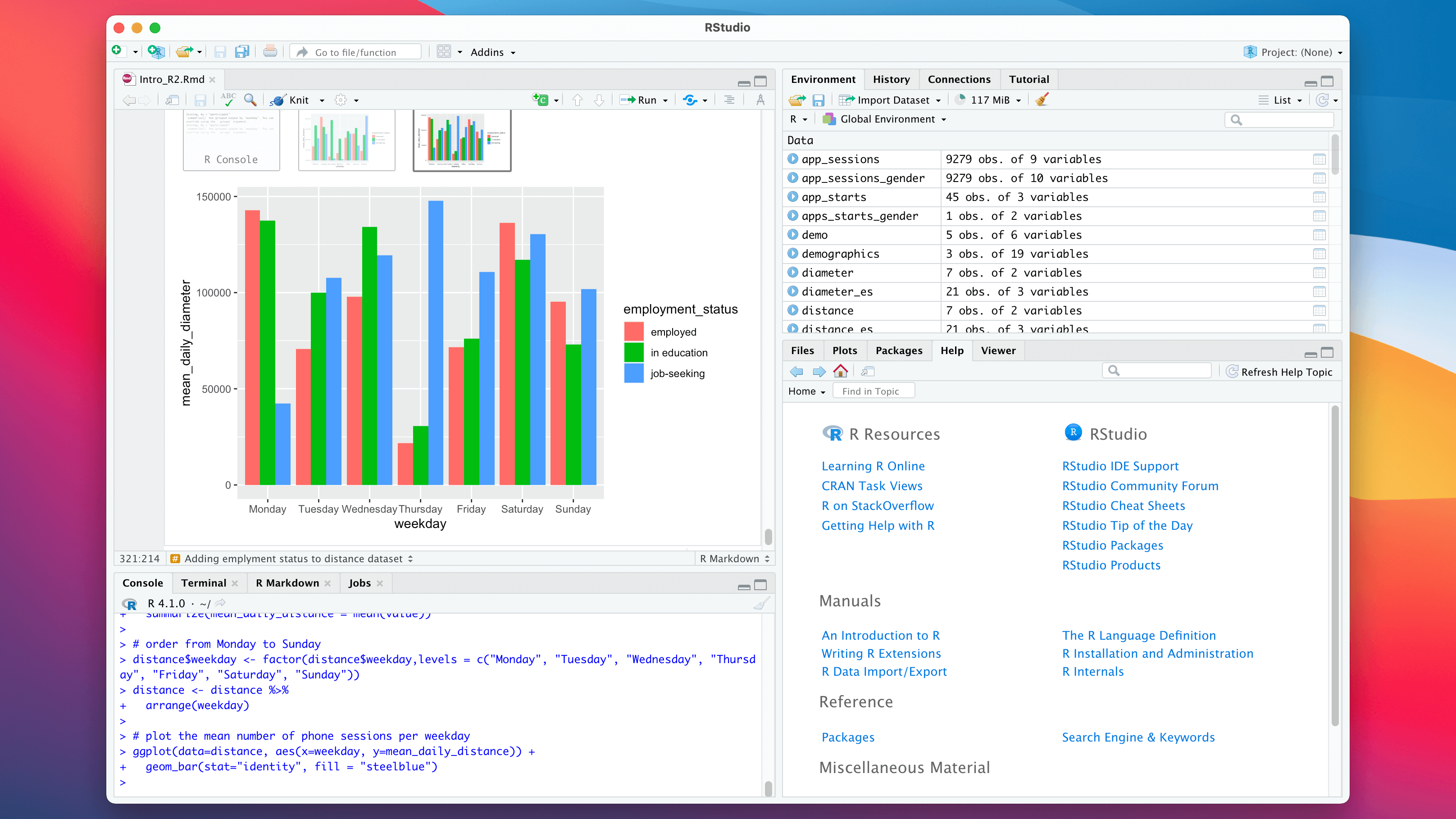
R tutorial for long-format Murmuras data: daily phone use, sessions per weekday and app usage, plus distance travelled by students vs. employees.

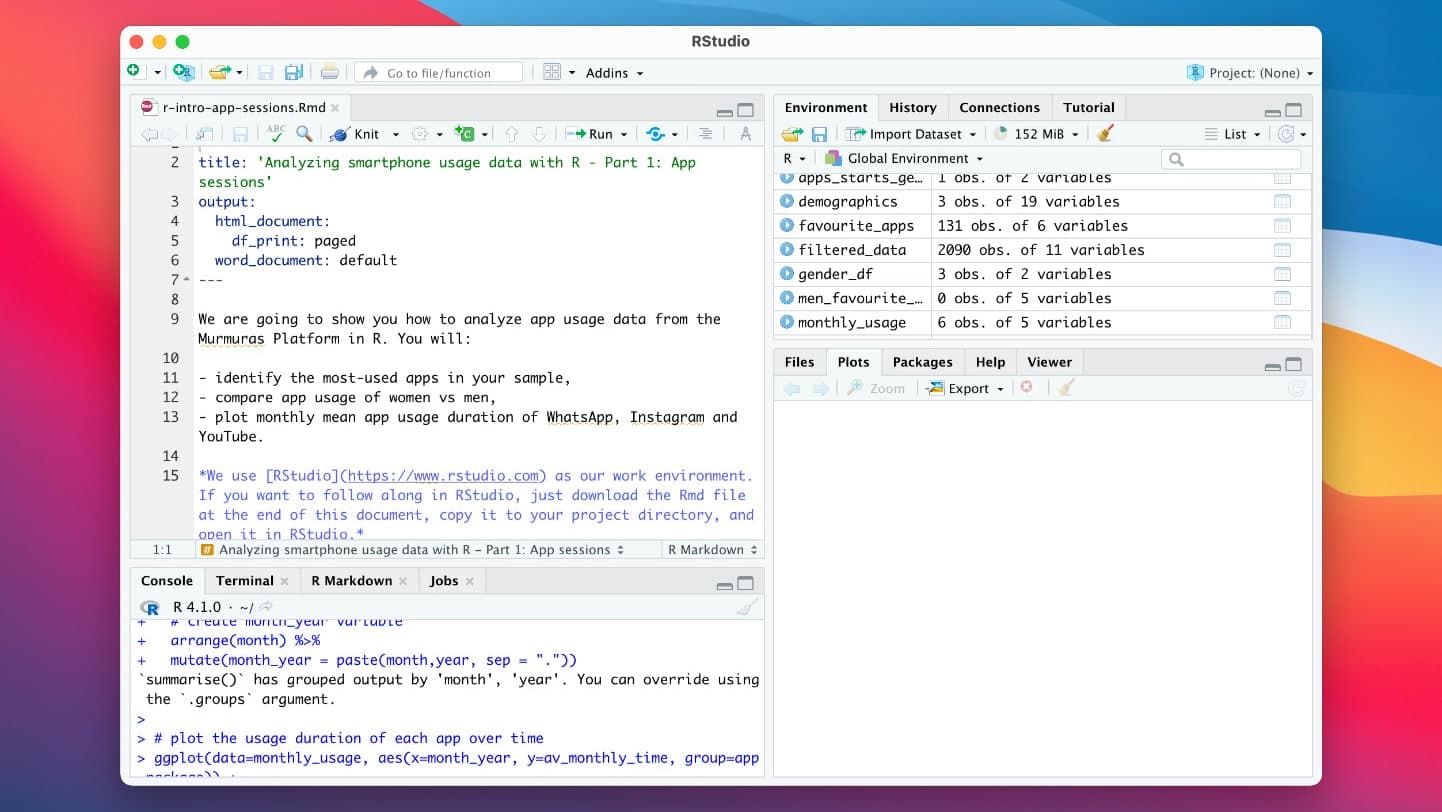
R tutorial for Murmuras app session data: find the most-used apps, compare women and men, and plot monthly use of WhatsApp, Instagram and YouTube.

Easter 2022 in app data from 1,359 users: Disney+ reached 41% via Facebook ads, the bunny was the top Easter emoji, and ‘deal’ ads rose by 47%.
Chrome’s end of third-party cookies, planned for 2023: what Google’s Privacy Sandbox with trust tokens, FLoC and Consent Mode means for ad tracking.

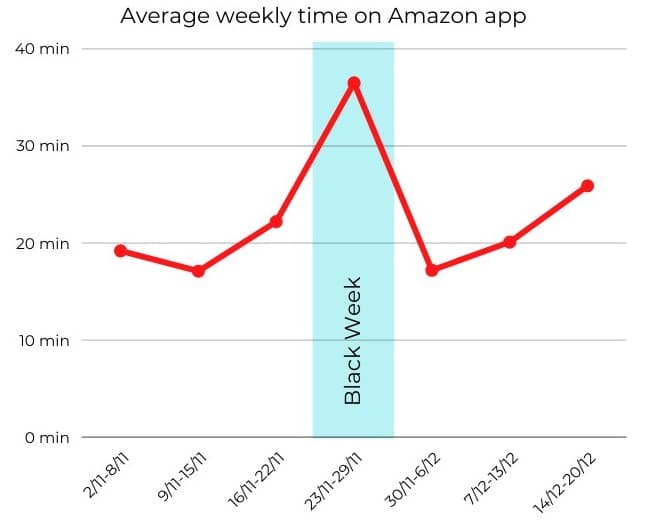
Black Week 2021 in app data from 488 users: Facebook ads held at about 41 a day, Amazon reached 48%, and kitchen and home products got twice the clicks.

During the Facebook outage on 4 October 2021, WhatsApp use fell 62% while Telegram, Signal and SMS surged. App usage data from 400 smartphone users.

Students and academic researchers can use the Murmuras app and platform for free to collect smartphone usage, location and survey data for R or SPSS.

BMVI’s mFUND backs Murmuras with 50,000 euros to build a model from smartphone app and GPS data that helps improve public transport planning.

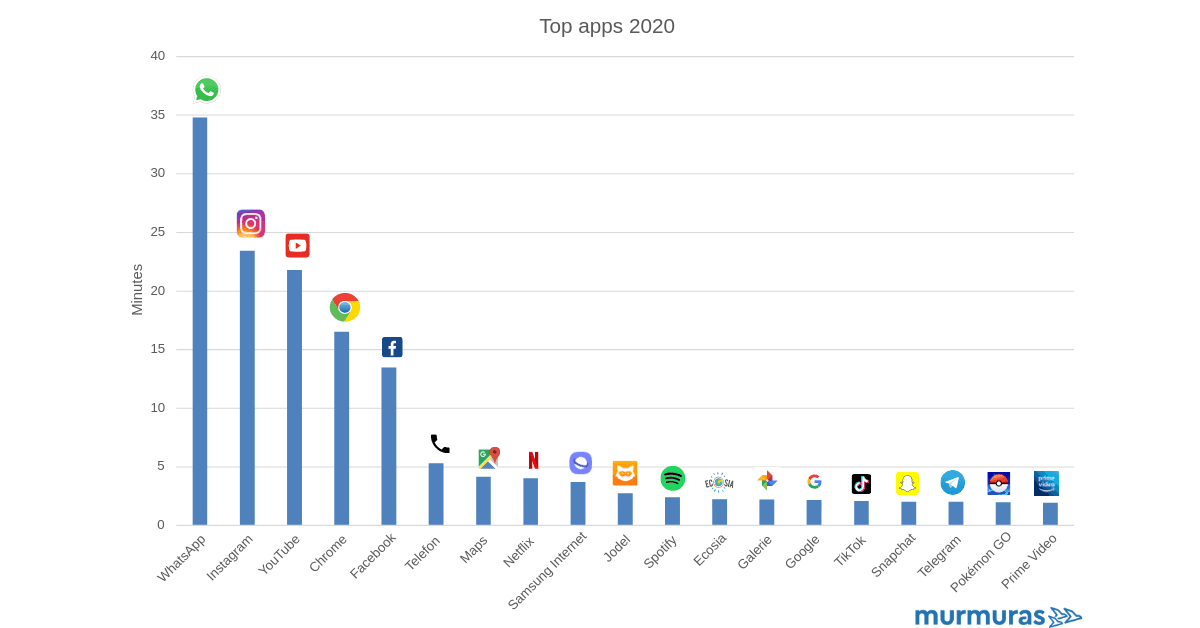
WhatsApp was the most used app of 2020 at 35 minutes a day, ahead of Instagram, YouTube, Chrome and Facebook. Data from 1,070 people by gender and age.

Does happiness plateau at $75,000 a year? A 2020 smartphone study of 33,391 people found well-being keeps rising with income, unlike the 2010 study.

Shopping apps before Christmas 2020: 863 participants in Germany spent over 40 minutes a week in shopping apps, with Amazon far ahead of the rest.

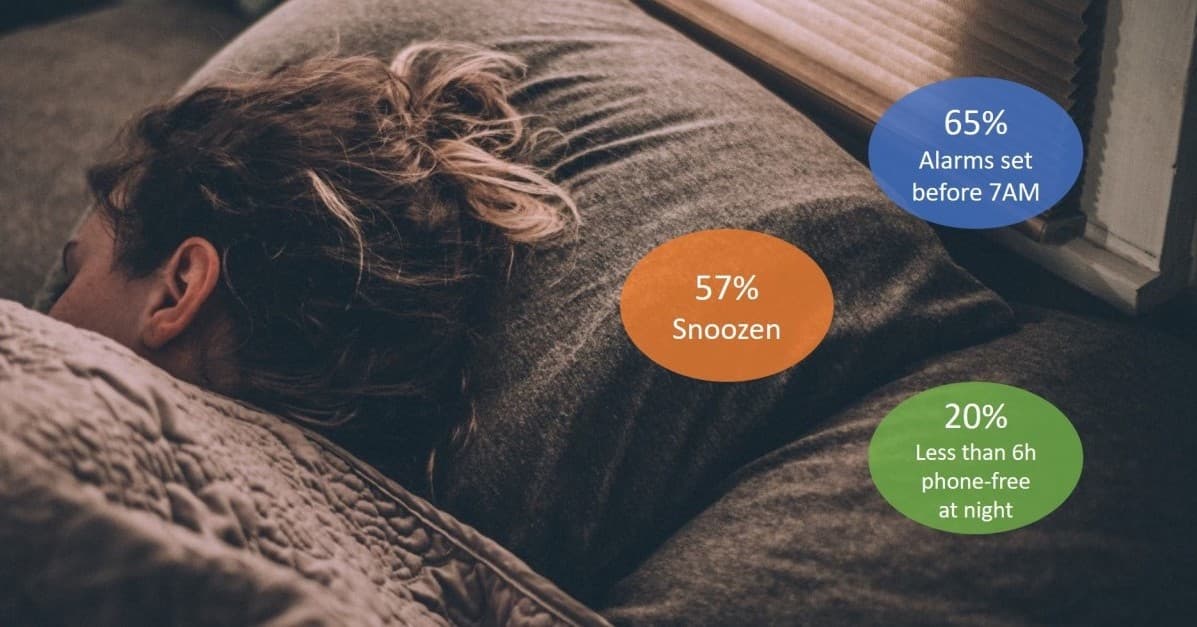
Phone data from 860 people in Germany: workers’ alarms ring before 7 am on 65% of mornings, 57% snooze, every fifth night has under 6 phone-free hours.

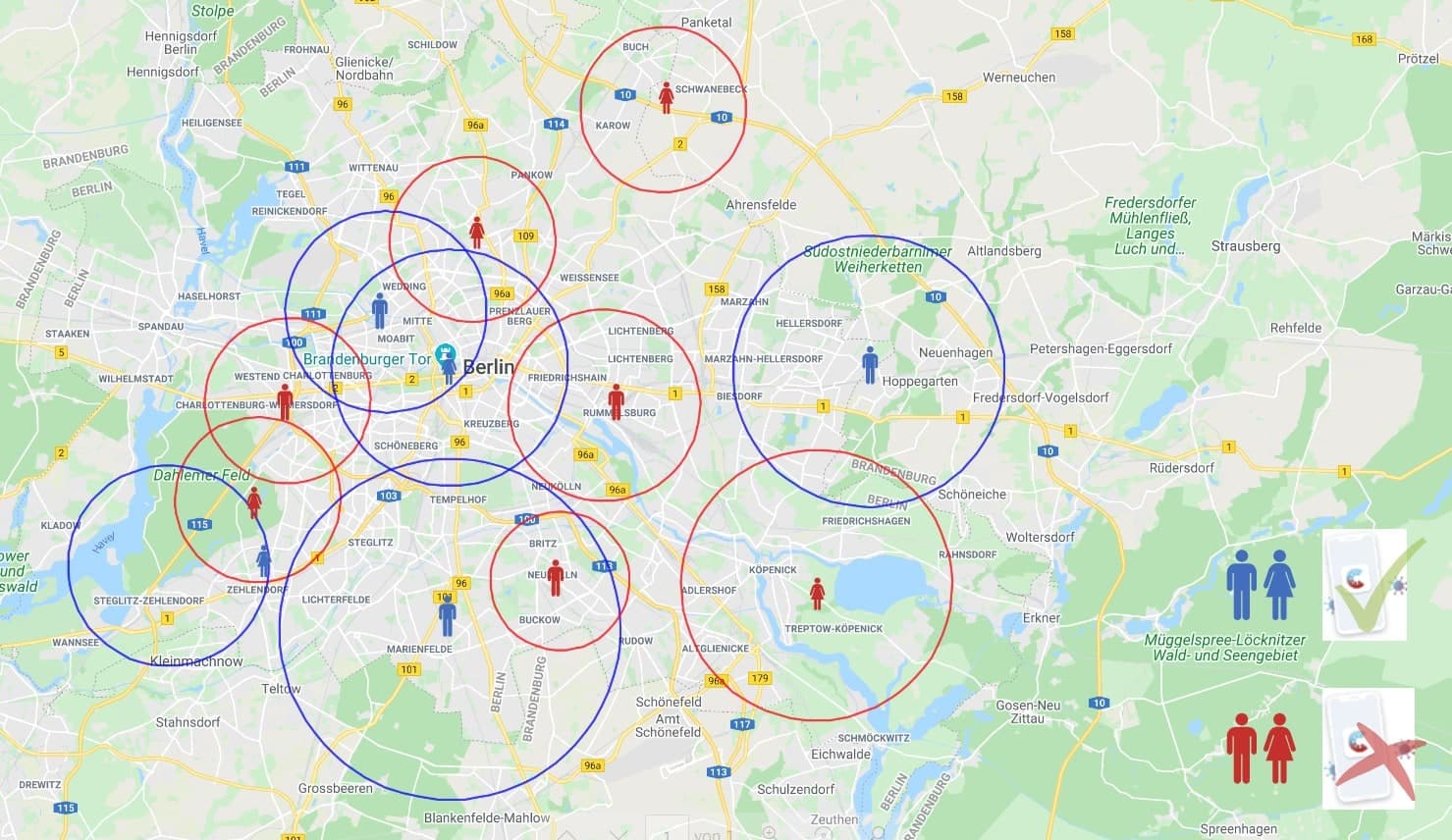
Mobility and app data of 668 people suggest Corona-Warn-App users were not more cautious: they travelled about 4 km more per day than non-users.

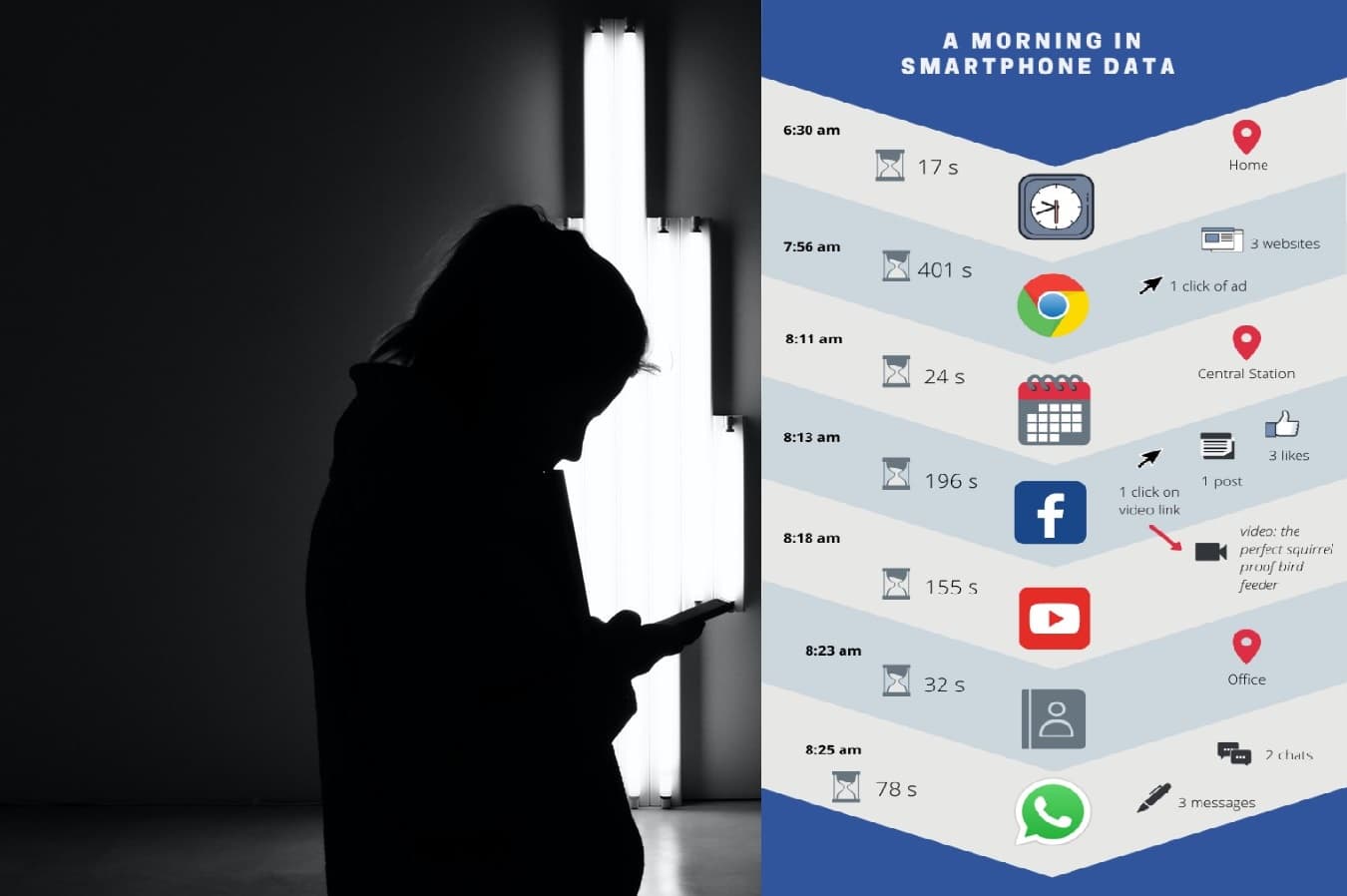
Smartphone data in research: a sample morning shows what app, GPS and content data reveal, which disciplines benefit and what privacy rules apply.

Surveys suffer from cognitive bias, memory errors and dropouts. Objective alternatives compared: eye-tracking, EEG, fMRI, wearables and smartphone data.

App usage of 755 people in Germany in the 2020 lockdown: social and messaging apps rose over 20% in March, while YouTube and Google Maps declined.