

Murmuras launches new measurement for GenAI usage behavior
The way people gather information is changing rapidly. AI assistants such as ChatGPT and Google Gemini are increasingly becoming the first port of call for questions about products, brands, prices, and decisions. This is fundamentally shifting the importance of traditional touchpoints such as SEO, search ads, and content creation.#
Instead of search results, users receive dialogue-based answers that bundle, evaluate, and classify content—often without directly visiting websites. For companies, this creates a new information channel that is still largely misunderstood.
The blind spot in understanding GenAI usage#
Companies currently lack the empirical basis to classify this development:
• What do consumers actually consult AI assistants for?
• What role do brands, products, and competitors play in these dialogues?
• How do users interact with the models (e.g., depth of use, number of queries, reading behavior)?
• And how do platforms such as ChatGPT, Gemini, or Google AI results differ?
Previous methods such as SEO reports, social listening, or surveys do not capture this new, dialogue-based information logic.
How Murmuras captures real GenAI usage#
Since January 2026, Murmuras has expanded its on-screen measurement technology to include the recording of AI assistant usage (based on separate, explicit consent).
The following are tracked:
• The questions users ask AI assistants
• The content of AI responses
• Interaction with the model (e.g., number of follow-up questions, use of voice, reading depth)
The data is collected in the ChatGPT and Gemini apps as well as in the web context, including Google AI responses from 3,000 German users.
On this basis, Murmuras is developing a new product that enables companies to gain a data-based understanding of how AI applications work, how they are used, and what impact they have—anonymized, aggregated, and GDPR-compliant.
Outlook for companies#
AI assistants are becoming a central interface between consumers and information. For companies, this means that investments in SEO, content, and media need to be rethought—based on actual usage rather than assumptions.
By analyzing real AI dialogues, Murmuras is laying the foundation for understanding how information will be found, processed, and evaluated in the future—and what role brands will play in this process.
Selected research questions#
• What topics do consumers consult GenAI assistants on, and at which stages of the decision journey?
• How do users interact with AI models (e.g., voice vs. text, number of follow-up questions, depth of reading)?
• Which brands and products are mentioned by GenAI, and in what framing?
• How do answers differ across platforms such as ChatGPT, Gemini, and Google AI results?
• What are the implications for SEO, content strategy, and brand visibility?
Ready to unlock consumer insights?
See what real-world mobile behavior data can reveal for your business questions.
About the author
Qais Kasem
Related Posts
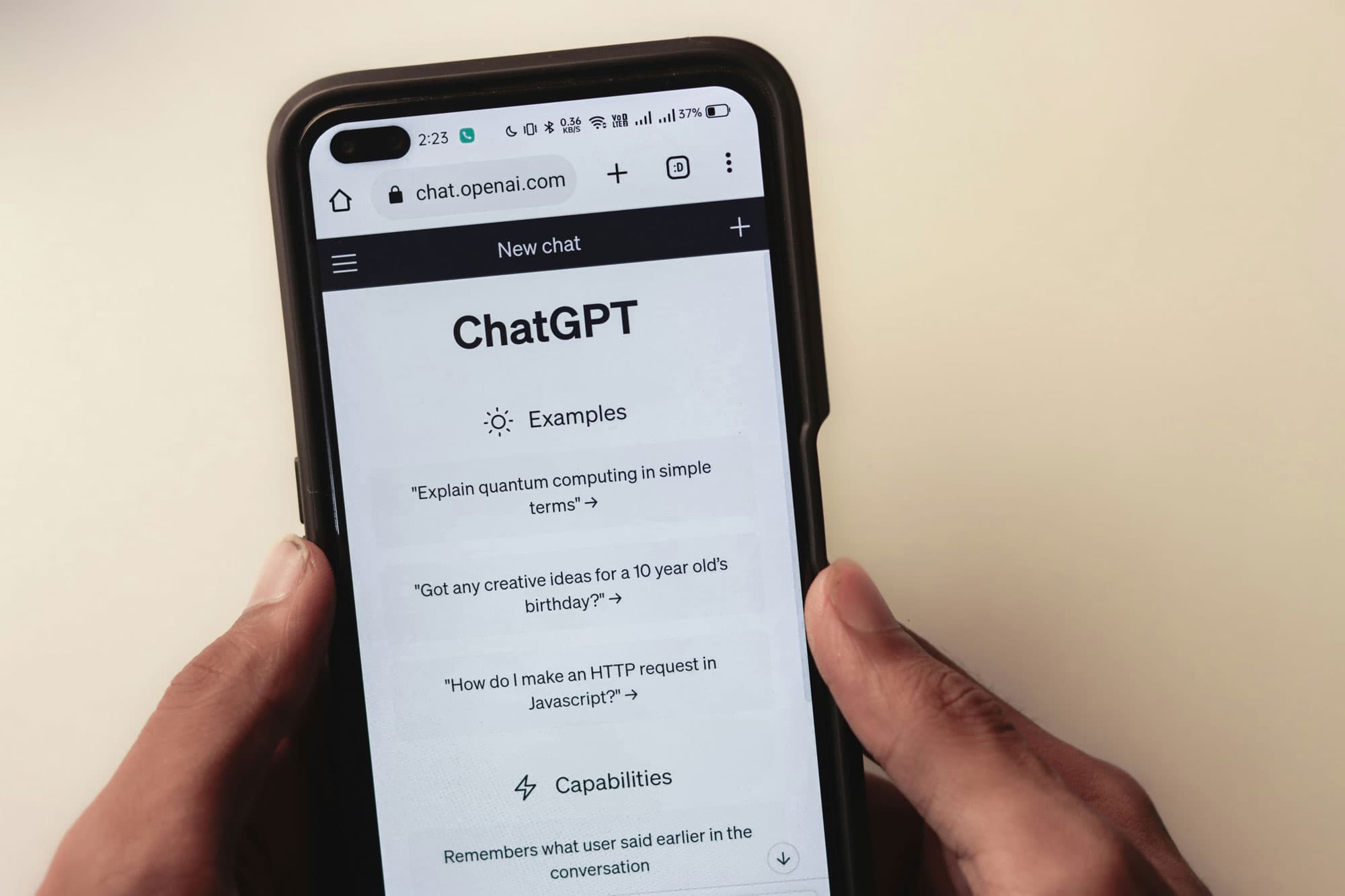
How Brands Become Visible in ChatGPT, Gemini & Co.
Data-driven insights from 10,541 real AI conversations: every second GenAI conversation mentions at least one brand, and in 19% of cases the AI actively recommends products. A Murmuras analysis reveals how brands become visible in ChatGPT, Gemini, and Google AI Mode – and where the platforms differ.
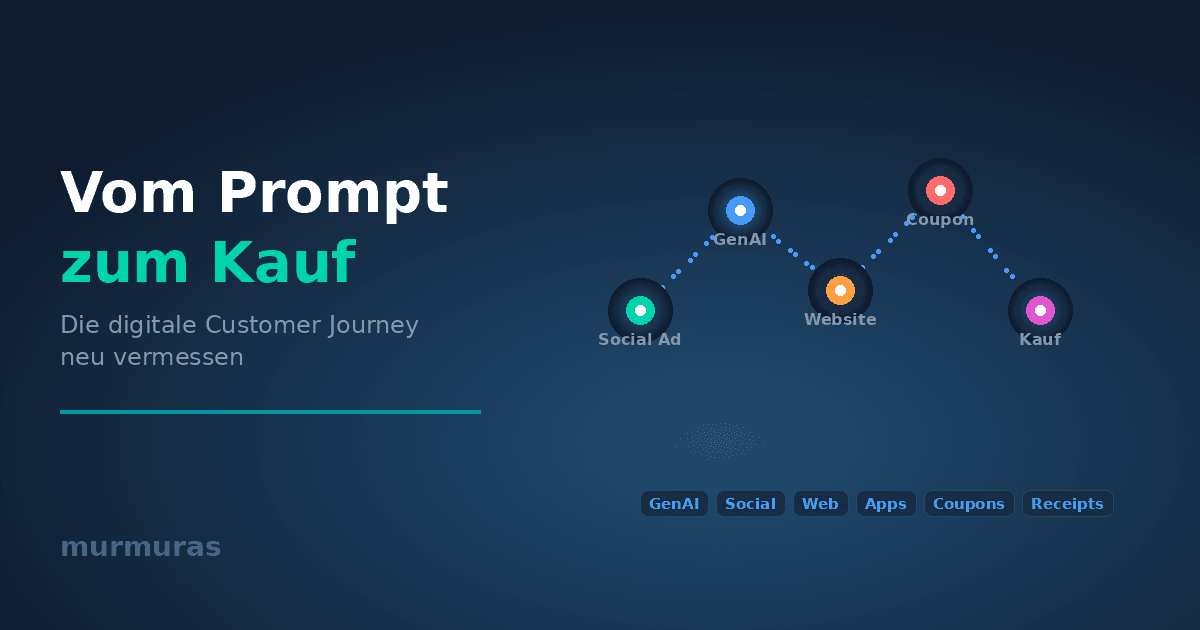
From Prompt to Purchase: The Digital Customer Journey Is Going Invisible – Here's How We Make It Measurable
How Murmuras uses app data from 3,000 smartphone users to map the entire customer journey – from social media ads through AI chats to the receipt. A privacy-compliant smartphone panel makes visible what traditional tracking misses, and answers business questions along the entire journey.
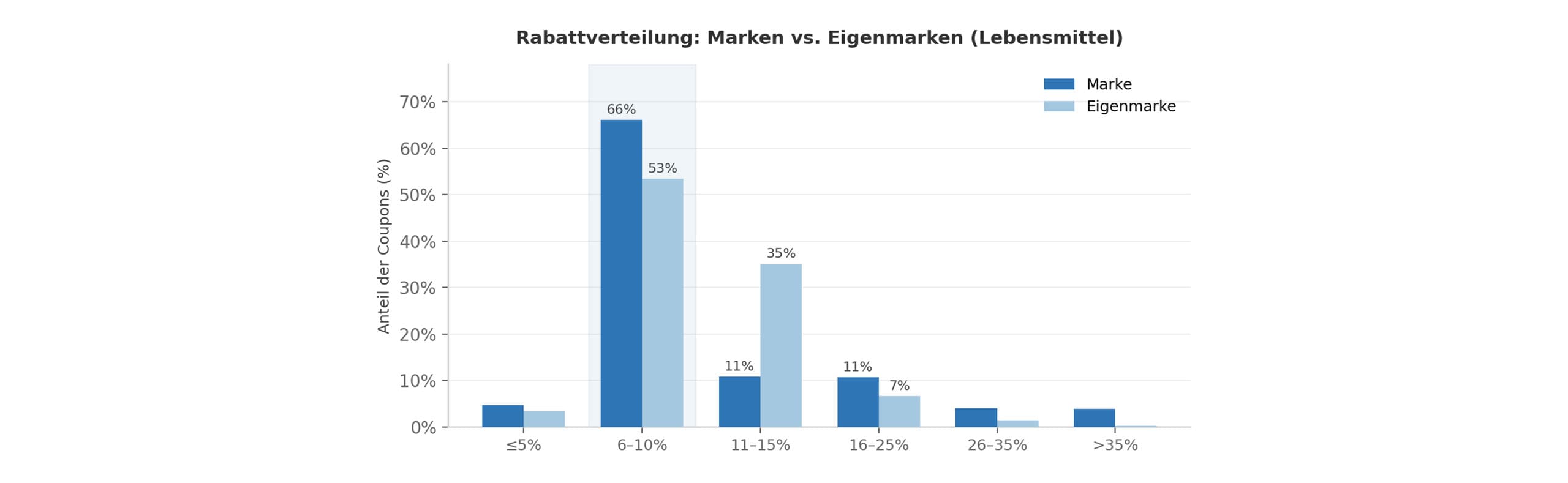
Couponing in Retail Apps: Where FMCG Brands Give Away Visibility
Every second coupon in German retail apps promotes a branded product – yet private labels and generic offers dominate the picture. A Murmuras analysis of over 27,000 coupons across eight retail and drugstore apps reveals where FMCG brands give away visibility and the three levers they can pull to win it back.