
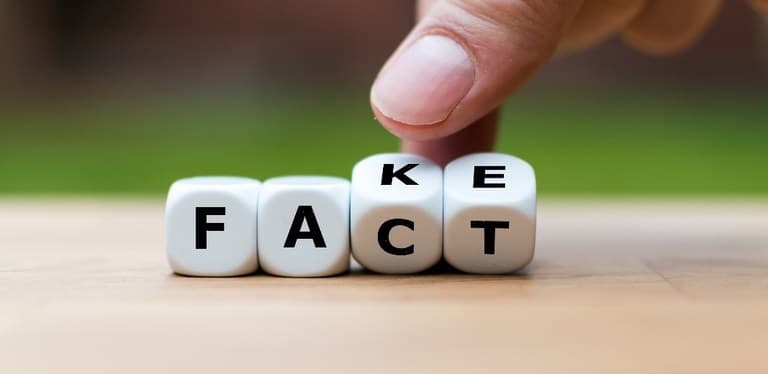
Murmuras launches project to detect fake news in mobile apps
Fake news in social media apps has been difficult to detect so far.#
Disinformation poses a central threat to the political process and social cohesion. It influences elections and induces people to engage in nonsensical or even terrorist behavior. Platforms such as WhatsApp and Telegram in particular play a major role in this and could could take many preventive measures, but do not necessarily have the corresponding corresponding incentives - because more activity on the platform leads to more advertising revenue. Also even though current efforts, especially by Twitter, show countermeasures, these are not sufficient to limit the spread of fake news across the board. Therefore Murmuras’ DeFaktS project seeks to empower actual users to better reflect on news and social media posts and thus limit the spread of false information. The DeFaktS project (Recognizing and Revealing Factors and Stylistic Devices of Disinformation Campaigns) runs from 2022-2024 and is funded by the German Federal Ministry of Education and Research. Murmuras is working on fake news detection together with the University of Marburg, the FZI - Forschungszentrum Informatik Karlsruhe and Liquid Democracy.
Murmuras goals#
The core tasks of Murmuras in this project are the development of an app to capture screen content that is analyzed for Fake News and the extension of this app with the AIs (Fake News detection and XAI) and feedback methods of the academic partners (University of Marburg and FZI - Forschungszentrum Informatik Karlsruhe). App with the AIs (Fake News detection and XAI) and feedback methods of the academic partners (University of Marburg and the FZI - Forschungszentrum Informatik Karlsruhe). The resulting demonstrator app is to be further developed to market maturity following the project. Since such an approach is being developed and researched for the first time for the German-speaking area, the project has an important benefit for Germany’s economy and society. Further information on the project can be found here
Ready to unlock consumer insights?
See what real-world mobile behavior data can reveal for your business questions.
About the author
Qais Kasem
Related Posts
Changes in smartphone app use during the global Facebook outage on 4 October 2021
On Monday, October 4th all Facebook apps stopped working for around six hours. With Facebook, Instagram, Whatsapp and Messenger down, smartphone users were forced to use different apps, especially for communication. We investigated, how people changed their smartphone behavior.
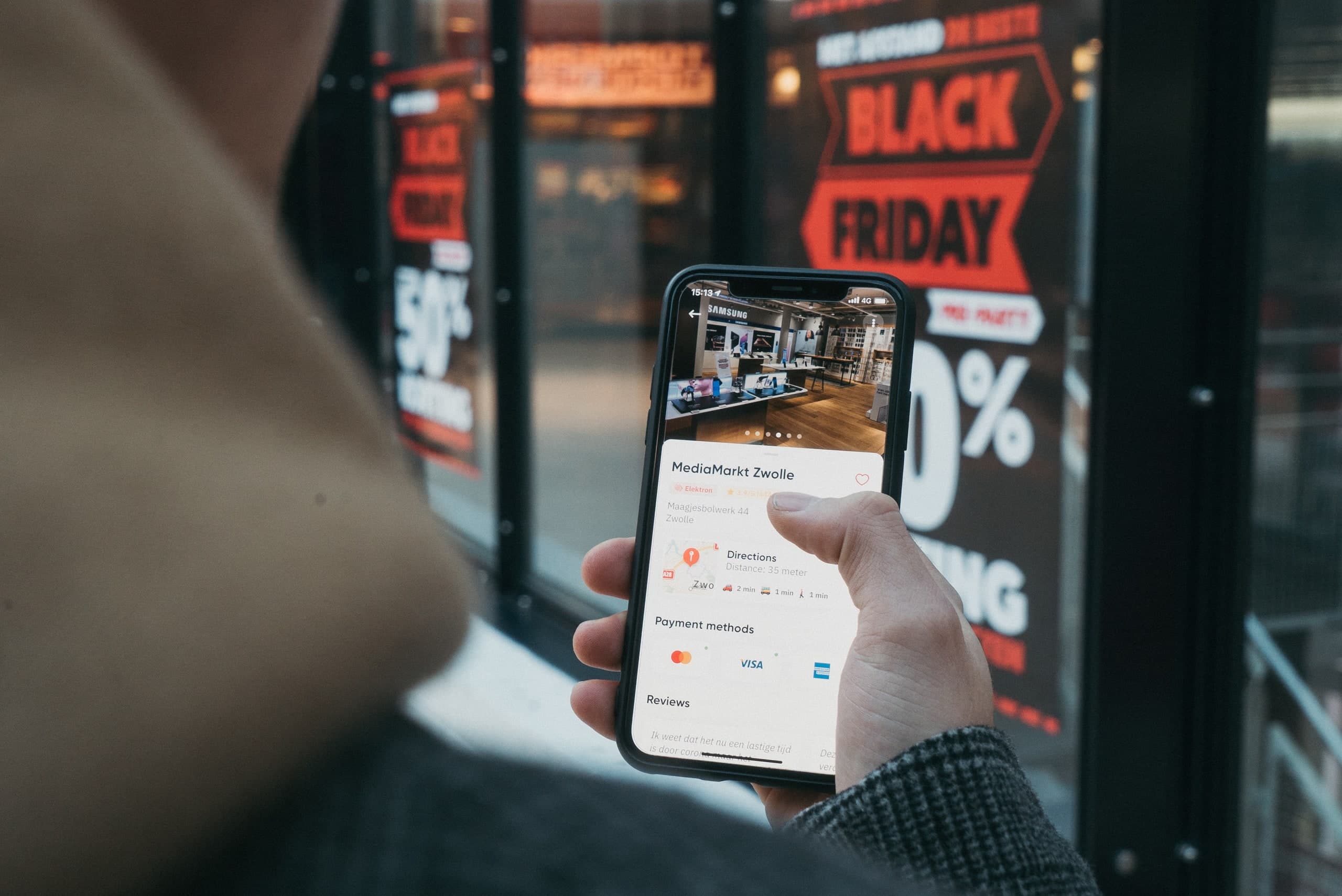
Black Week 2021 - Advertising and Shopping in Smartphone Apps
The Corona pandemic continues to shape people's everyday lives in 2021. We are continuing our article series on Christmas shopping behavior. Our analysis focuses on Black Week with Black Friday, in comparison to the previous weeks of November. The analysis is based on real in-app smartphone usage data from everyday life - not on questionnaires.
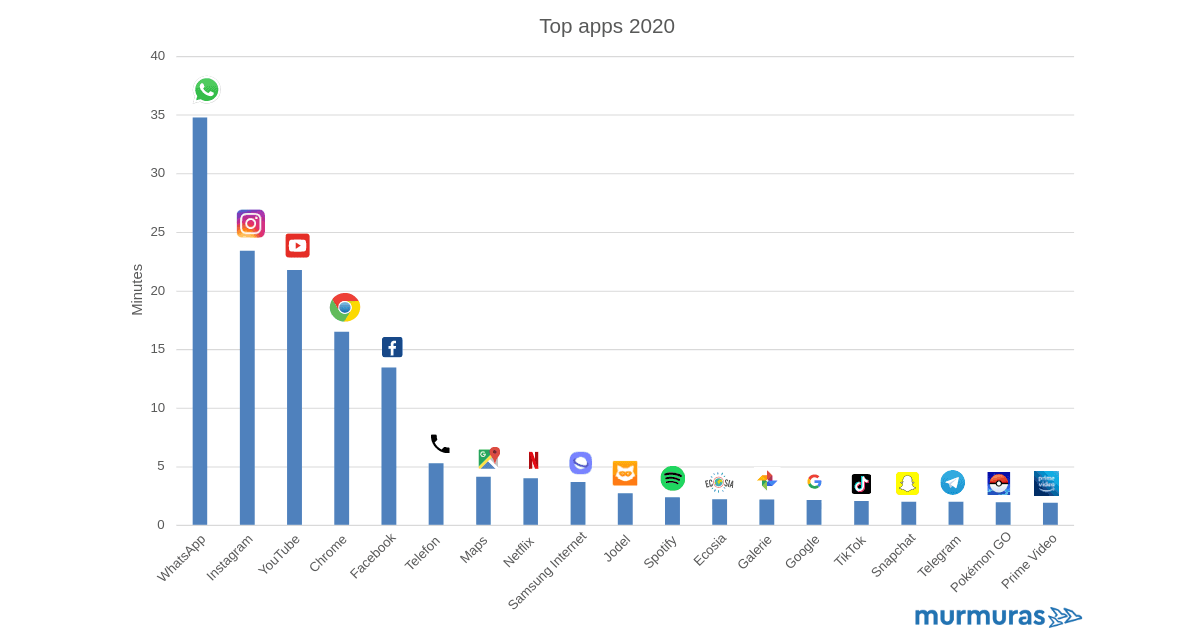
Most used smartphone apps of 2020 – Whatsapp, Instagram and Facebook at the top
Social media platforms like Whatsapp, Instagram and Facebook dominated the most used apps of the past year. WhatsApp is